

The Micro-Housing Pivot: The Twin Cities’ Blueprint for Backyard Affordability
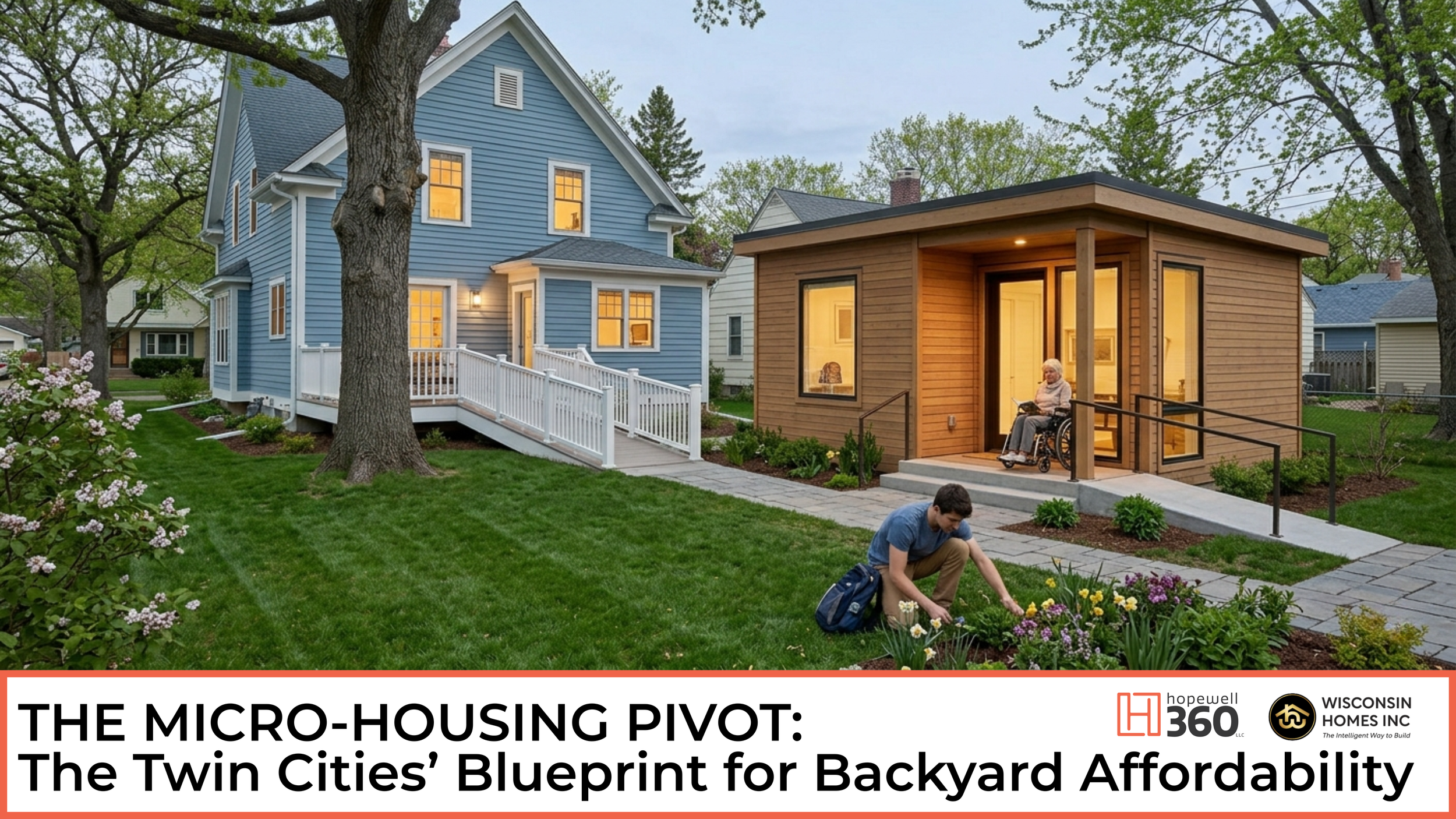
While national agencies and industrial giants continue to struggle with a "one-size-fits-all" approach to the housing crisis, a much more nimble solution is taking root across the Twin Cities. The region is quietly accomplishing what high-level federal programs haven't: empowering individual homeowners to become part of the supply chain.
Minneapolis may have sparked a national conversation by ending single-family-only zoning, but the real momentum in Minnesota today is happening in the "infill" space. By leaning into Accessory Dwelling Units (ADUs) and tiny homes, the Twin Cities are executing a strategic shift that could fundamentally redefine housing accessibility for the next generation.
Dismantling the Barriers to "By-Right" Construction
For years, the primary obstacle for Twin Cities homeowners wasn’t a lack of space or desire—it was a formidable wall of regulatory red tape. While many residents possessed both the financial means and the physical land to add secondary residences, they were trapped by a system that rarely gave them the green light to build.
That landscape is finally shifting.
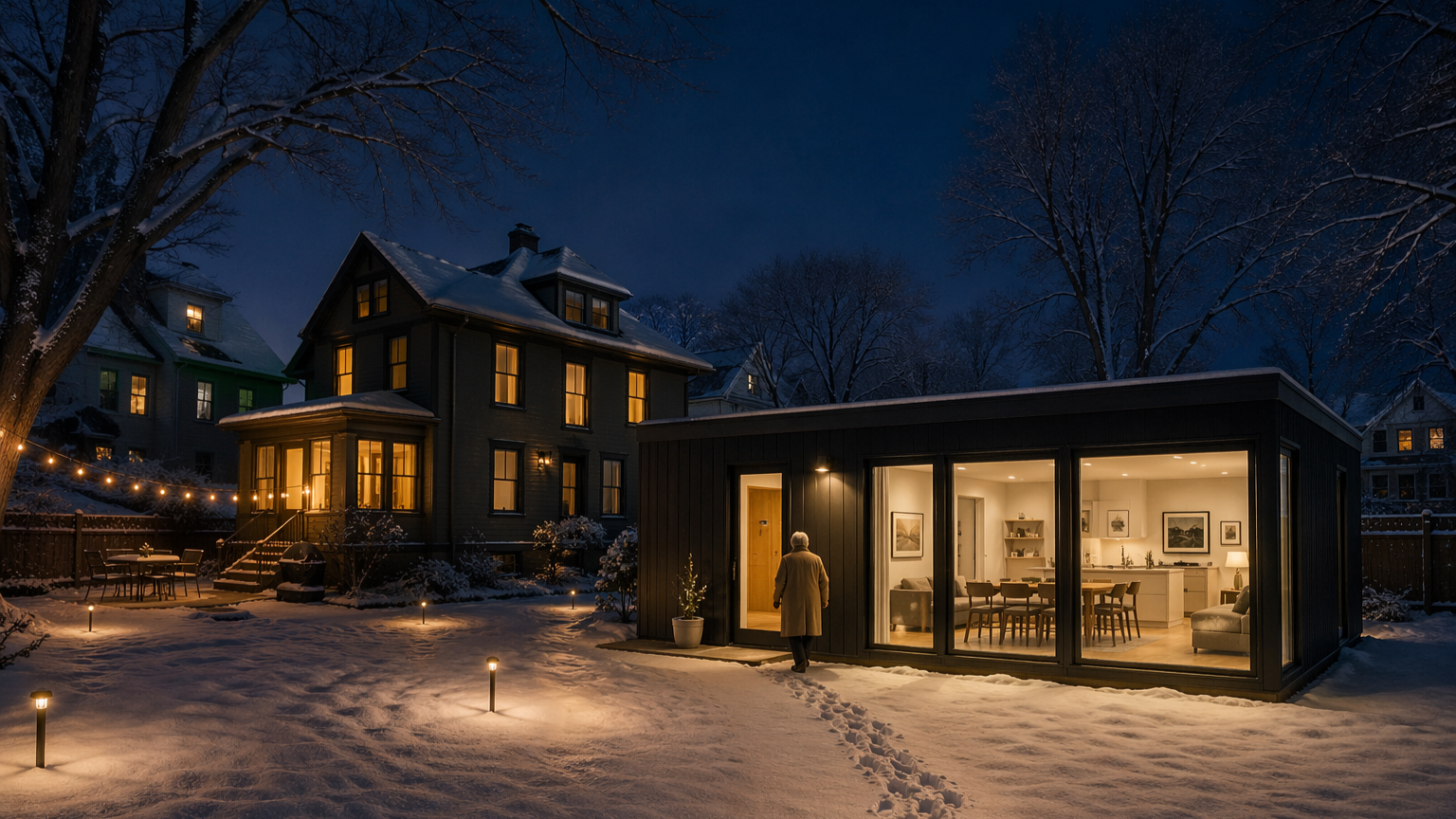
Minneapolis set a bold national precedent with its 2040 Plan, effectively dismantling the "single-family only" monopoly and legalizing Accessory Dwelling Units (ADUs) across all interior residential zones [1]. Not to be outdone, Saint Paul recently debuted its "New Dwelling Toolkit"—a strategic resource specifically designed to guide citizens through the logistical maze of adding secondary units to their properties [2].
However, the most significant evolution is moving beyond city limits. For three consecutive years, Minnesota legislators have been championing statewide zoning parity [3]. If successful, this reform would establish a standardized "by-right" framework for ADUs. This would prevent local municipalities from leveraging inflated permitting fees or arbitrary zoning boards to stifle small-scale housing projects before they even begin.
Translating Policy into Practical Square Footage
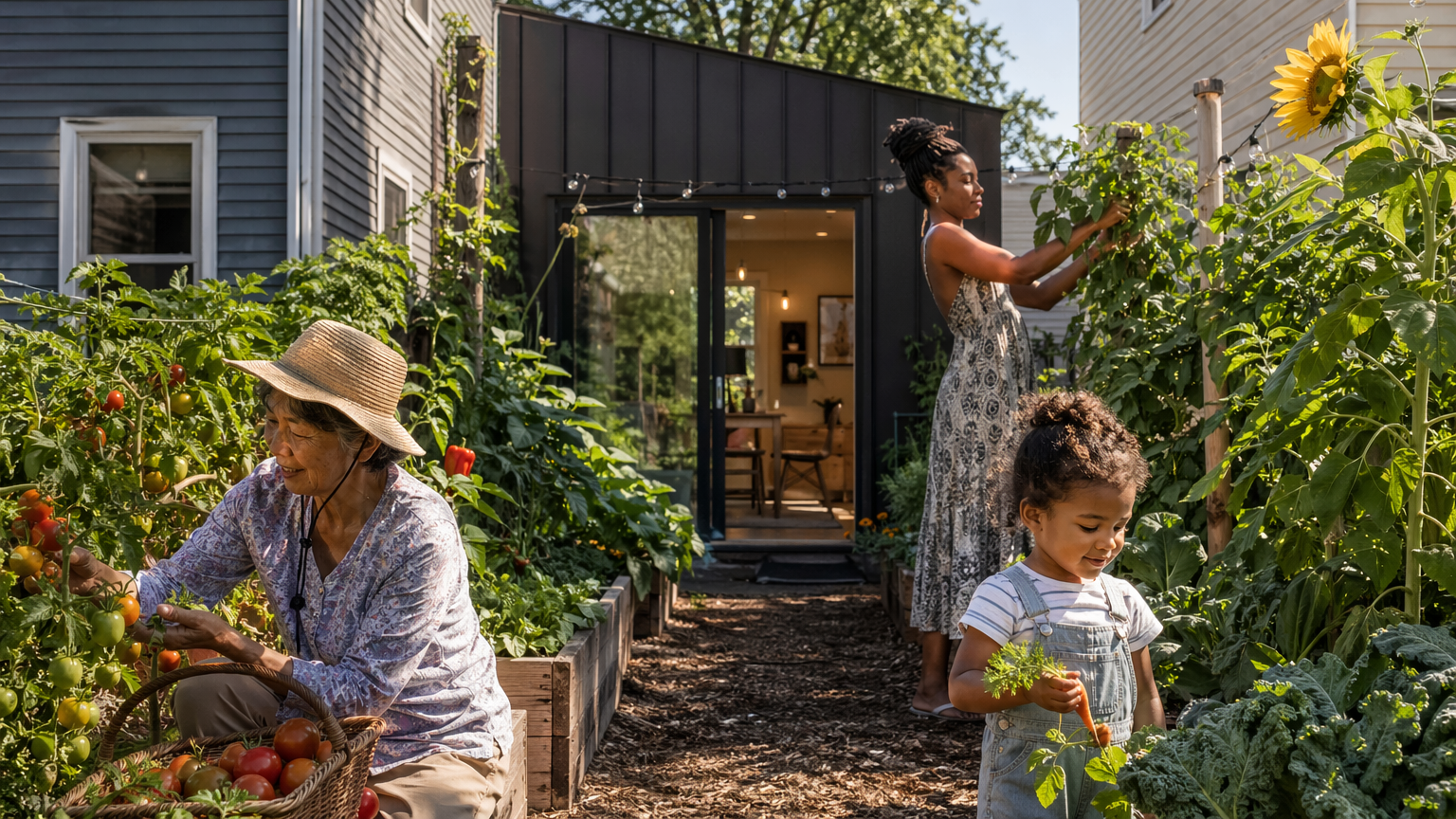
In practical terms, an ADU isn't a complex new concept; it’s a versatile addition to an existing lot. Whether it’s a detached tiny home in the rear garden, a renovated garage, or a discrete "in-law" apartment above a workshop, these units provide high-density living without the high-rise aesthetic.
Yet, despite the simplicity of the structures, implementation remains a political lightning rod. The technical "right" to build is often met with fierce cultural resistance.
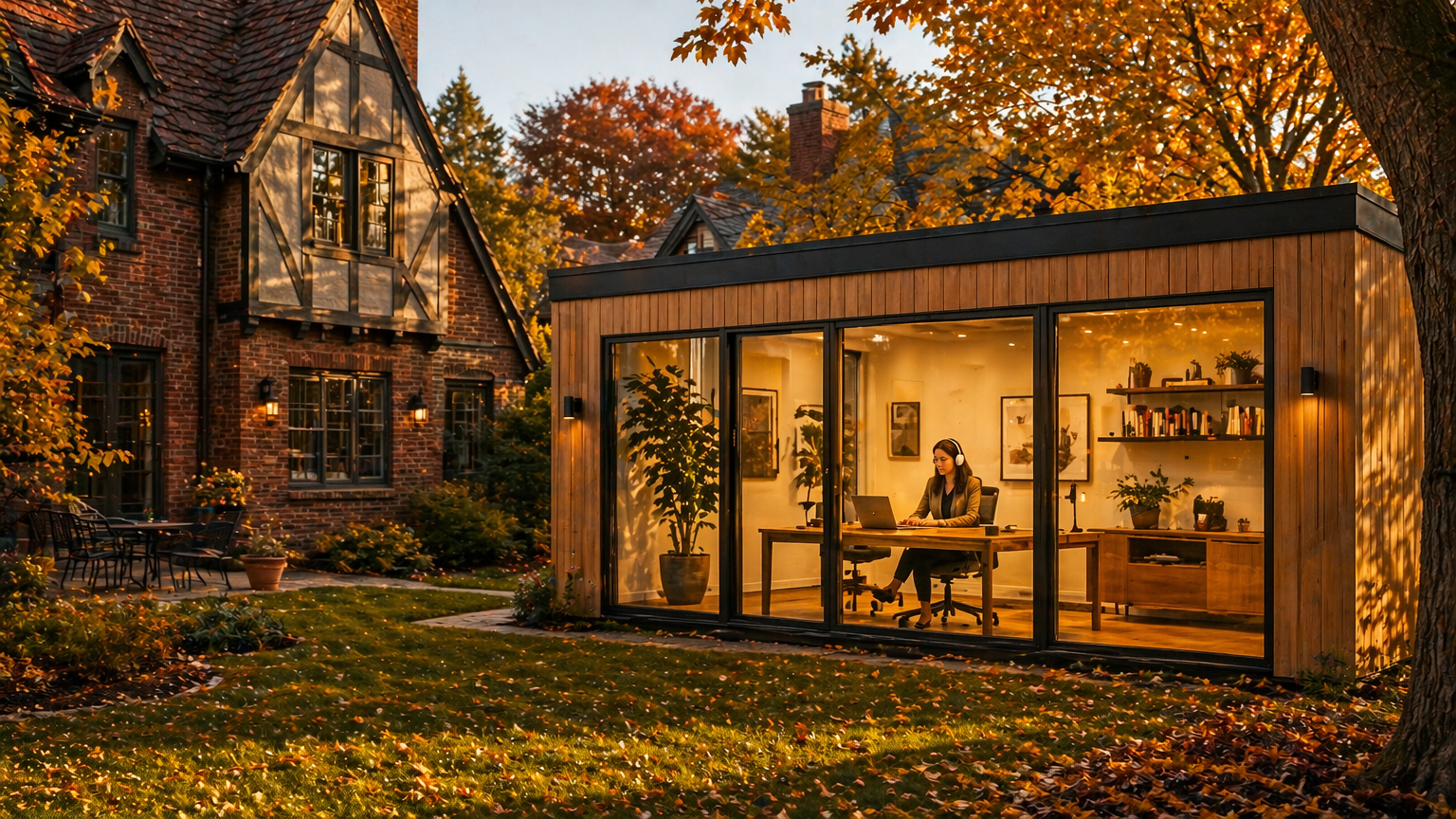
Look no further than Blaine, a suburb north of the metro. There, a local family’s attempt to construct a detached unit designed to help families transitioning out of homelessness was met with such intense neighborhood pushback that the city council effectively outlawed detached ADUs entirely—even though a local ordinance had technically allowed them [4].
This friction in Blaine is the quintessential "NIMBY" (Not In My Backyard) scenario: a community that supports the idea of affordability until it appears next door. This is exactly why the push for statewide preemption is so vital. State leaders are beginning to understand that the housing crisis won't be defeated by one massive, top-down mandate, but by legalizing thousands of decentralized, small-scale victories.
From Social Media Curiosity to Economic Necessity
For the better part of a decade, tiny homes were largely viewed through the lens of a niche lifestyle—a "minimalist" curiosity popularized by social media. However, in the current Twin Cities economy, they have matured into a critical financial instrument.
In the metro area, an ADU serves as more than just extra space; it is a multipurpose tool that can:
Generate supplemental rental income to offset rising property taxes.
Provide a dignified housing solution for an aging population.
Offer an affordable "starter" footprint for young adults.
Create "naturally occurring" affordable housing that doesn't rely on taxpayer-funded subsidies.
The urgency for this "tool" is backed by staggering data. By the close of 2025, the median price for a new single-family residence in the Twin Cities reached a record $550,445 [5]. When you consider that over half of Minnesota households are now priced out of the median-cost resale market [6], the need for a creative alternative becomes undeniable.
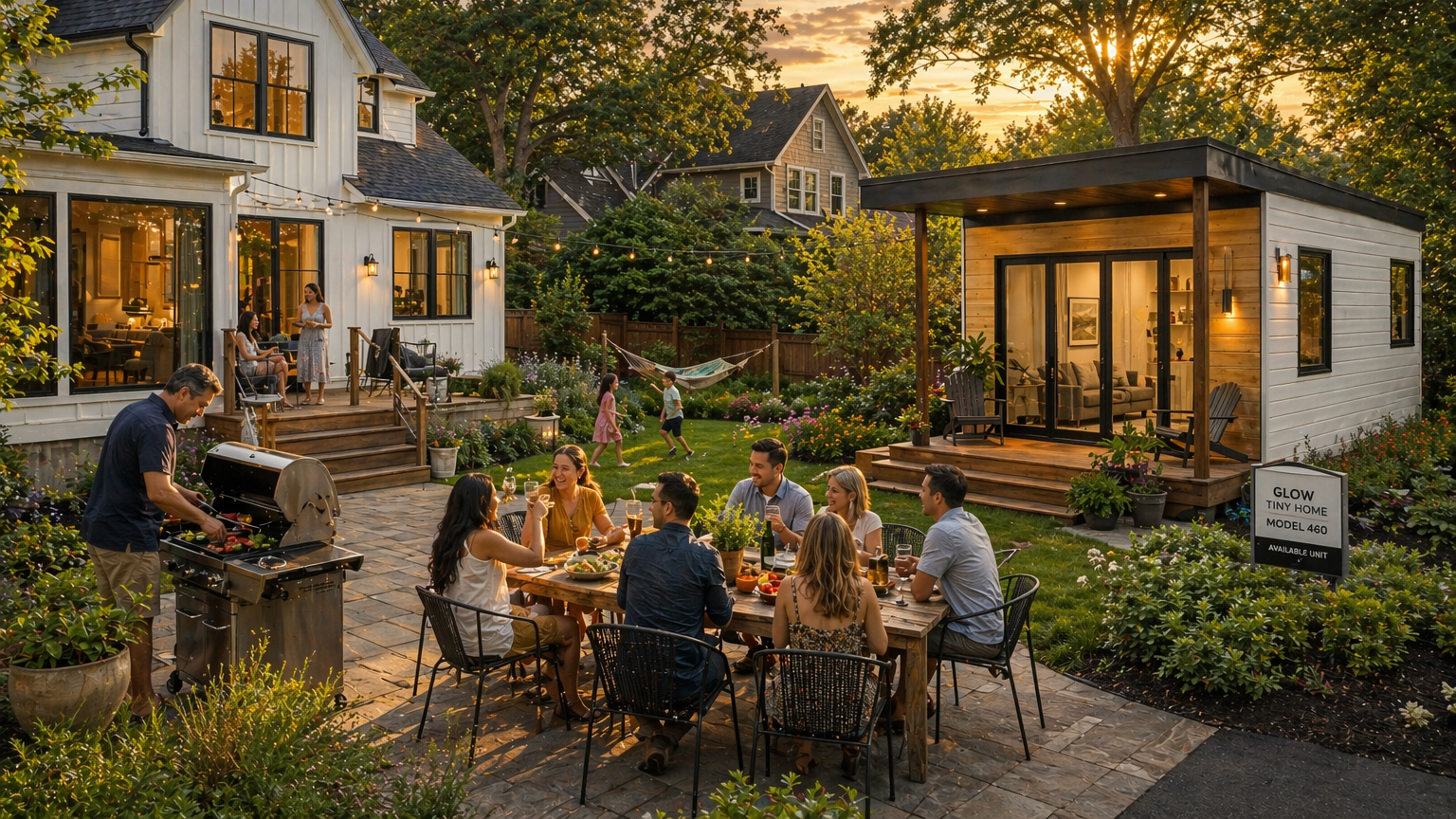
Innovative partnerships are already proving the concept works. For example, Land Bank Twin Cities recently teamed up with Glow Tiny Homes to develop a one-bedroom, 460-square-foot unit in Saint Paul [7]. Priced at $229,000, the project achieved affordability through smart financing and small-scale design rather than government handouts. It’s a blueprint for how we can open the door to homeownership for moderate-income residents.
Turning Backyards into a Rental Powerhouse
Let’s examine the sheer physics of the Twin Cities housing market. We don’t necessarily need to clear-cut new land or develop massive highway interchanges to house our local workforce. If even a fraction of property owners in the metro area utilized their existing lots for an ADU, it would trigger the birth of a massive, decentralized rental engine.
This isn't just an optimistic theory—it’s a solution rooted in logic and efficiency. By focusing on infill development, we unlock significant advantages:
Thousands of new rental units could be created without the need for massive land development.
Housing is spread naturally across established, existing neighborhoods.
Infrastructure already exists, meaning roads, sewers, and power grids are ready to go, bypassing the decades of planning required for traditional development.
The potential impact is transformative. Researchers estimate that by modernizing zoning laws across Minnesota, we could unlock approximately 11,000 additional homes annually [6]. At that pace, the state could effectively bridge its current housing shortage in less than a decade. This path forward relies on simple, scalable arithmetic rather than multibillion-dollar federal spending packages or slow-moving bureaucratic oversight.
A Catalyst for the Industrialization of Construction
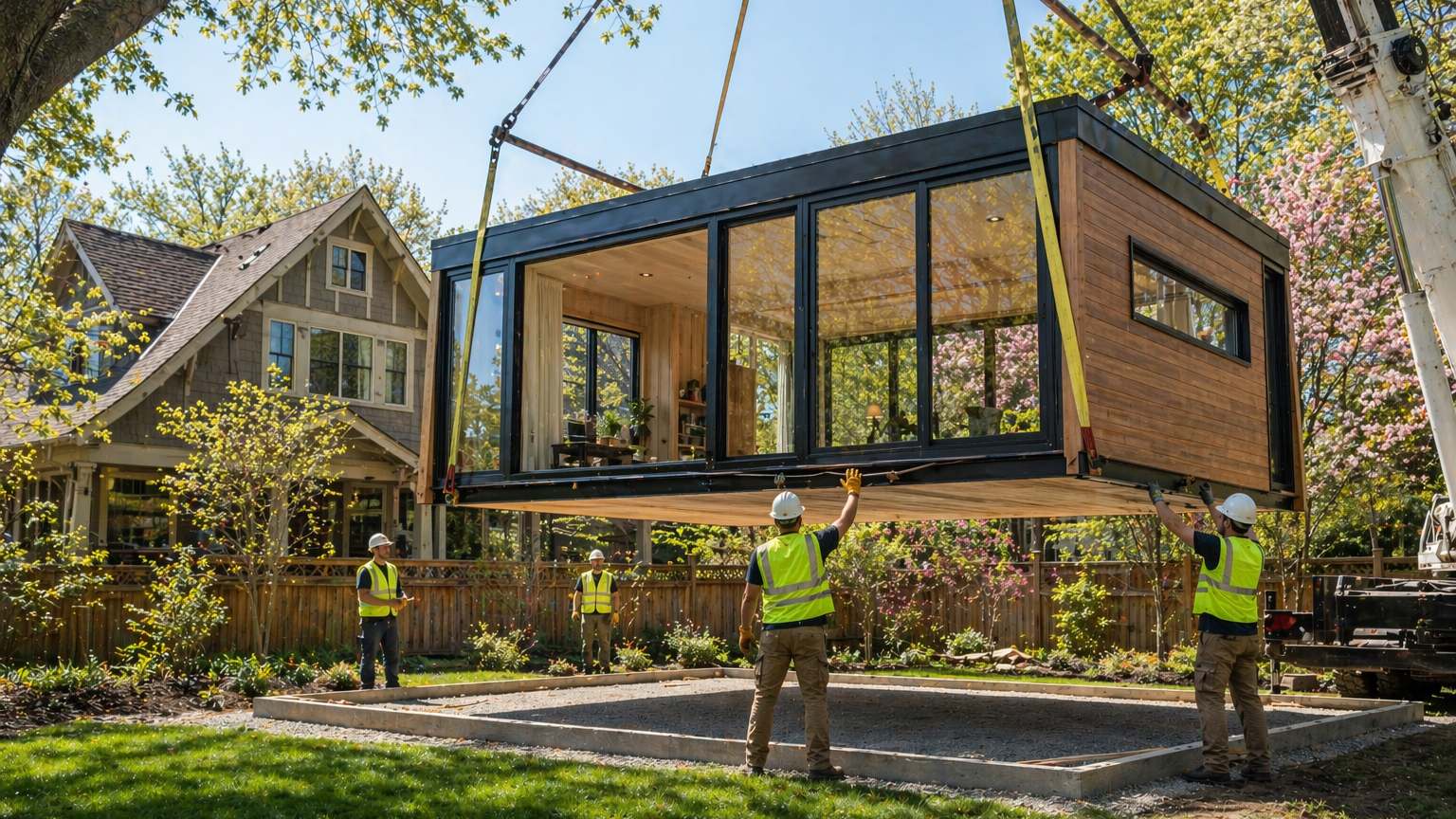
This shift toward small-scale housing is a major signal for the offsite and modular sectors to pivot their strategy. The Twin Cities’ embrace of ADUs isn't just a social victory; it’s a massive market opportunity for industrialized construction.
Because ADUs and tiny homes are repeatable and compact, they are the ideal product for:
Modular fabrication facilities looking for steady, high-volume output.
Advanced panelized systems that reduce on-site labor and waste.
Precut packages and innovative materials like LGS (Light Gauge Steel) and CLT (Cross-Laminated Timber).
The beauty of this model lies in its minimal footprint, repeatable architecture, and rapid scalability.
For factories currently navigating the high-stakes world of large-scale developers and volatile financing, the backyard market offers a refreshingly clean path forward. The Twin Cities, with its progressive urban core and impending statewide zoning reforms, is now a prime destination for an influx of high-quality, prefabricated housing units that can be "plugged and played" into existing neighborhoods.
The Reality Check: Navigating the "Last Mile" of Implementation
Despite the momentum, it’s important to recognize that this isn’t a magic wand. While the legislative wins in Minneapolis [1] and the push for statewide reform [3] are historic, the transition from "permitted" to "built" still faces a steep uphill climb.
As the legal standoff in Blaine vividly illustrates, local friction remains a potent force [4]. Even with favorable zoning, homeowners must still contend with entrenched HOA restrictions, as many private associations maintain covenants that can effectively override city ordinances. Furthermore, the traditional lending market is still catching up and often lacks the appraisal frameworks necessary to properly value properties with secondary dwellings. There is also the matter of hidden costs; retrofitting utility connections, conducting specialized inspections, and managing site preparation in established neighborhoods can quickly erode the "affordability" of a project.
Simply granting the legal right to build doesn't guarantee a construction boom overnight. However, when compared to the decades of stagnation that defined the Twin Cities' housing policy, these hurdles are a sign of real, tangible progress.
The Hopewell 360 Perspective: Scaling the "Small" Solution
For years, the housing industry has been waiting for a "Grand Slam" solution—a single federal program or a massive tax credit that would fix the affordability crisis in one swing. In doing so, we have overlooked the thousands of "singles" sitting in our own backyards.
Tiny homes and ADUs will not solve the Twin Cities’ housing shortage in isolation. They don't have to. If Minnesota lawmakers continue to strip away outdated barriers and homeowners embrace the potential of their own land, these "micro-solutions" could collectively become the state's largest source of naturally occurring affordable housing.
The system isn't going to fix the housing crisis from the top down. Instead, the solution is being built from the ground up by thousands of individuals who finally have the permission to take the future into their own hands.
References
[1] City of Minneapolis. "Accessory Dwelling Units." [2] City of Saint Paul. "New Dwelling Toolkit." April 1, 2026. [3] MPR News. "For a third year in a row, lawmakers look to change zoning regulations." March 23, 2026. [4] Realtor.com. "They Tried To Build a Tiny Home To Help Families in Need—So Why Did Their City Council Ban ADUs in Response?" March 23, 2026. [5] Star Tribune. "Twin Cities tiny homes on the market for budget-conscious buyers." January 30, 2026. [6] Minnesota Reformer. "Housing affordability is slipping in Minnesota — state policy can help." March 9, 2026. [7] Land Bank Twin Cities. "Tiny Homes, Big Impact: Building Solutions Through Creative Homeownership." February 20, 2026.
